Deer, with their delicate, prehensile lips, have a unique way of foraging for food. Their mouths are designed to gently grasp and pull off vegetation, from tender leaves to tough twigs, ensuring a diverse diet that provides the necessary nutrients for their health and well-being. The inside of a deer’s mouth is a complex ecosystem, home to various bacteria and microorganisms that aid in the.. This is important to the lifestyle of the deer because of their early morning and near dusk activities. Mouth: The deer’s mouth has two sections. In the front of the mouth there are only small teeth on the bottom jaw. These teeth are used for tearing and breaking apart food.
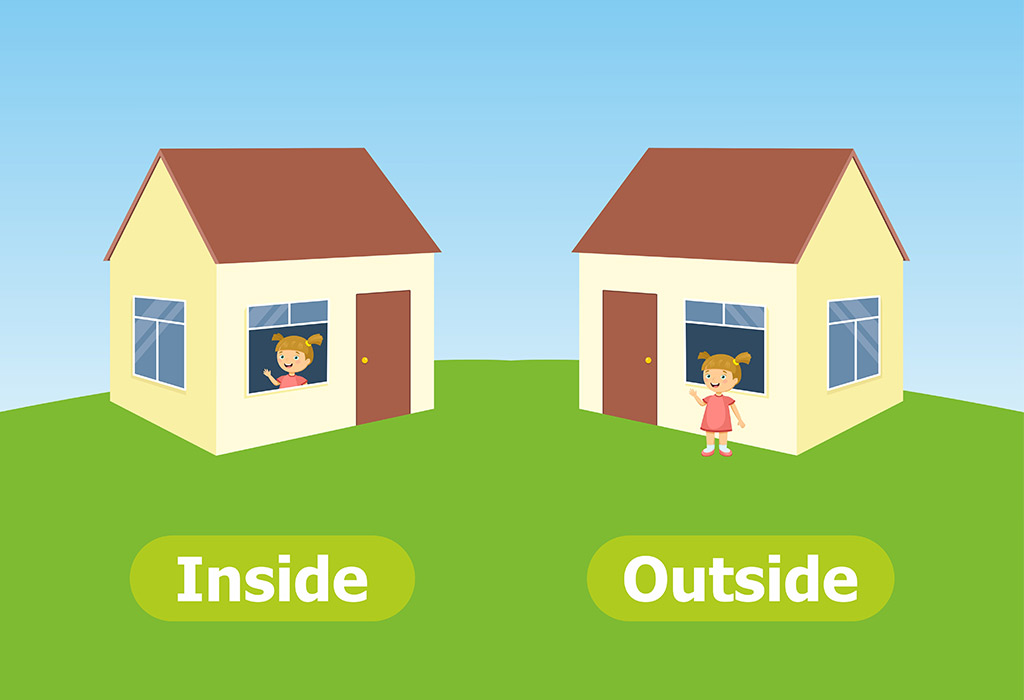
Teach Kids Concept of Inside and Outside

Inside Out 2 Is Already Nailing Riley’s New Storyline

Envy Inside Out Wikia Fandom

Inside Movie

INSIDE para Nintendo Switch Sitio Oficial de Nintendo para Mexico

Inside Out 2 (2024) Posters — The Movie Database (TMDB)

Inside Out 2 (2024) IMDb

1024×768 Anxiety In Inside Out 2 Movie 2024 Wallpaper,1024×768

Inside (2023) movie poster

INSIDE (한국어판)

Inside Movie Review — Phoenix Film Festival

INSIDE
In the wild, understanding a creature like a deer goes beyond its graceful leaps and antler size. One of the unsung markers of species identification lies within their mouths – their teeth. There’s a fascinating world to discover in the dental structure of deer, from rare upper canine deer teeth, commonly known as deer fangs, to the changing count of cheek teeth that can help estimate.. Figure 2 depicts the jawbone of a healthy adult white-tailed deer. The incisors are the teeth in the front of a deer’s mouth. Premolars and molars are located along the side of the jaw, separated from the incisors by a wide gap called the diastema. Deer do not have any top front teeth but only a rough palate. As a result, vegetation bitten off by deer appears to have been torn off and has a.